
KALLĒNĒ
THE NAME
kah-LEE-nee
Kállos · κάλλος
A beauty deeper than what is visible. To the Greeks, kallos was the whole person, form and character together, and something a person possesses at any age.
Galēnē · γαλήνη
The stillness of the sea after a storm. Homer uses it for the calm that settles when the wind drops and Odysseus, shipwrecked, finally sees land. A calm earned through effort.
THE BEAUTY THAT SURFACES IN STILLNESS

OUR FOUNDER’S STORY
KATERINA GREGORIOU
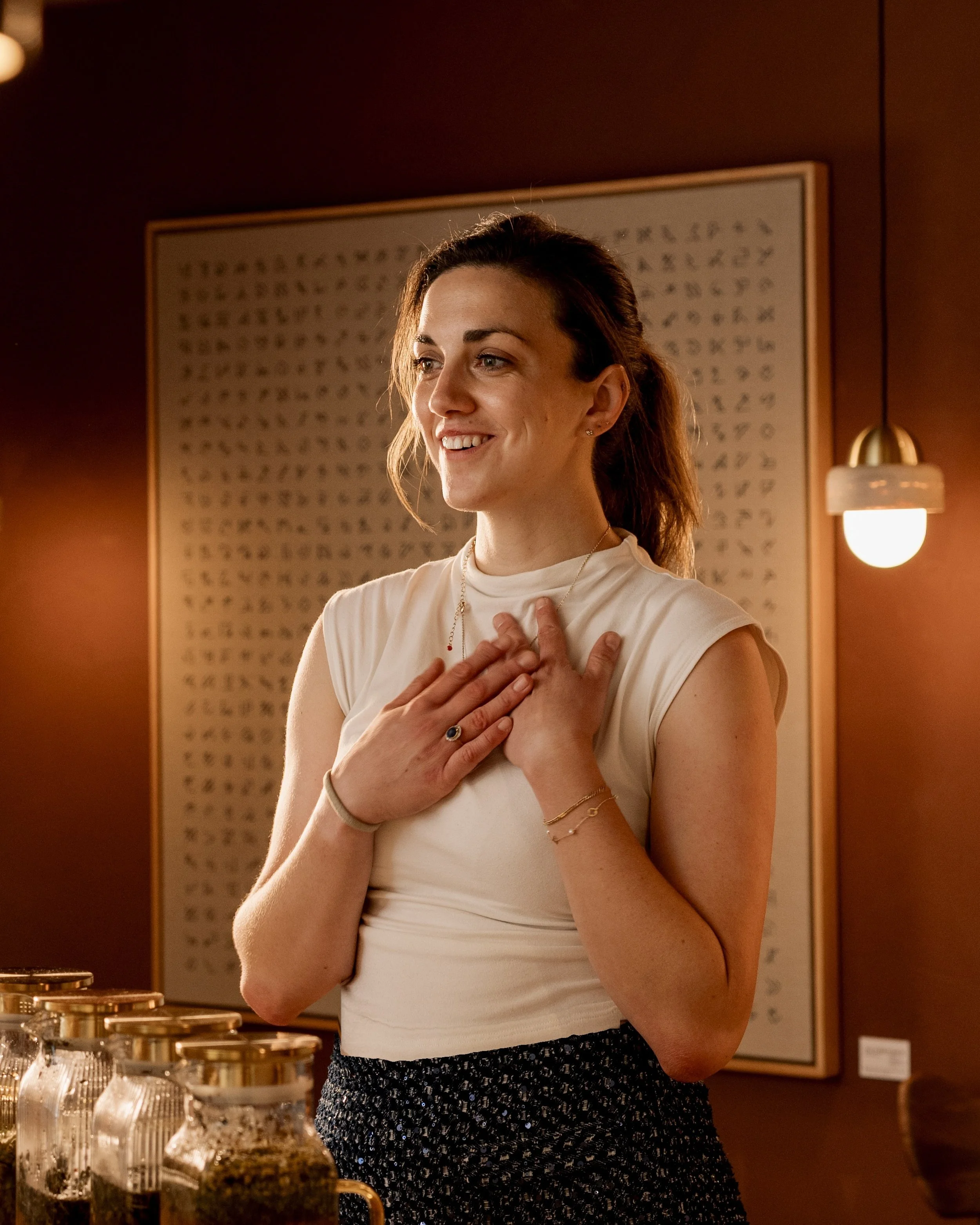
“In trying to fit myself into a box of what NYC had to offer for recovery, I found myself Googling,
‘How long should you cold plunge if you just had brain surgery?’
It became obvious pretty quickly that many evidence-based modalities were going unexplored in the race to build the next sauna and cold plunge fad.”
Kallēnē began with brain surgery.
Katerina had spent her life as an athlete, rowing at Stanford and racing as a domestic professional cyclist, and she knew how to train a body to perform. But recovering from brain surgery asked something entirely different of her, and it is the experience she built Kallēnē from.
WHERE IT BEGINS
Twenty-five centuries ago, the GREEKS BUILT SANCTUARIES FOR HEALING.
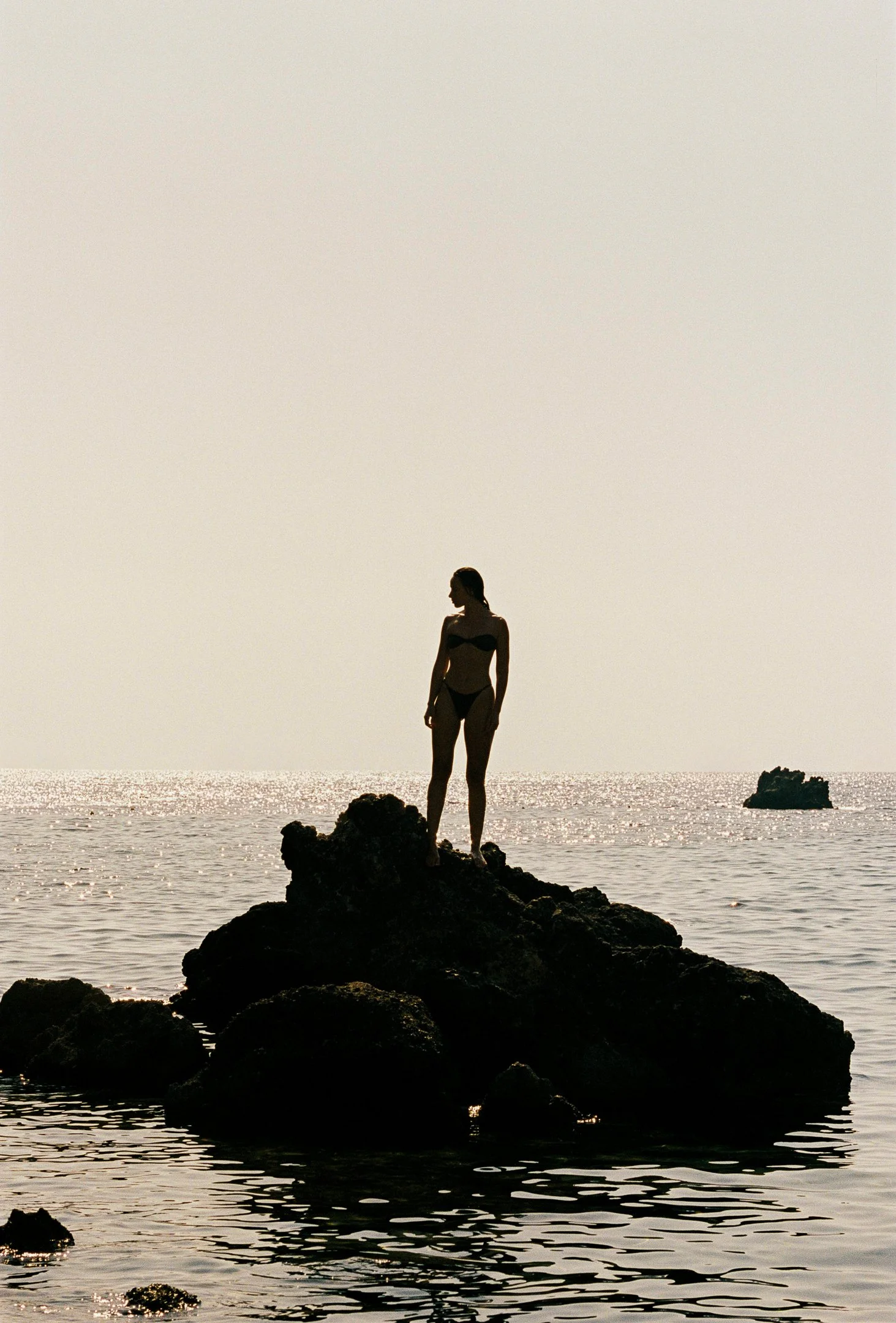
They called them Asclepeia: temples set among cypress groves and thermal springs, chosen for their light, their water, their view of the sea. People traveled great distances to reach them. And what they found there was part hospital, part temple, and something we no longer have a word for: a place where science and spirit healed as one.
The Asclepeia were the birthplace of modern medicine. Hippocrates himself trained in their tradition. But they treated far more than the body. Healing was a journey, not a procedure. Guests were guided through katharsis: a structured process of purification, rest, and renewal. Music was prescribed as medicine. Sleep was sacred. Food, movement, bathing, art, and community were not amenities surrounding the treatment, but an integrated part of it. The environment itself was understood to heal.
WHY NOW
Somewhere along the way, we split that world in two
Today’s medicine has achieved the extraordinary, yet healing happens in sterile rooms, stripped of rest, nourishment, and meaning. The wellness industry rose to fill the gap in care but not in rigor: unstructured, self-directed, often more aesthetic than practice. We diagnose ourselves, stitch together modalities, chase trends without progression or guidance. One world has science without soul. The other has soul without structure. Neither, alone, restores us completely.
And restoration is what our lives now demand. The threats to our wellbeing are no longer only injury and illness — they are burnout, chronic stress, fractured sleep, always-on screens, the slow erosion of attention and community. These are conditions of modern life, and modern life has built no institution to treat them.
Sometimes, the answers to our future can be found in our past.
WHO LEADS
THE THERAPON
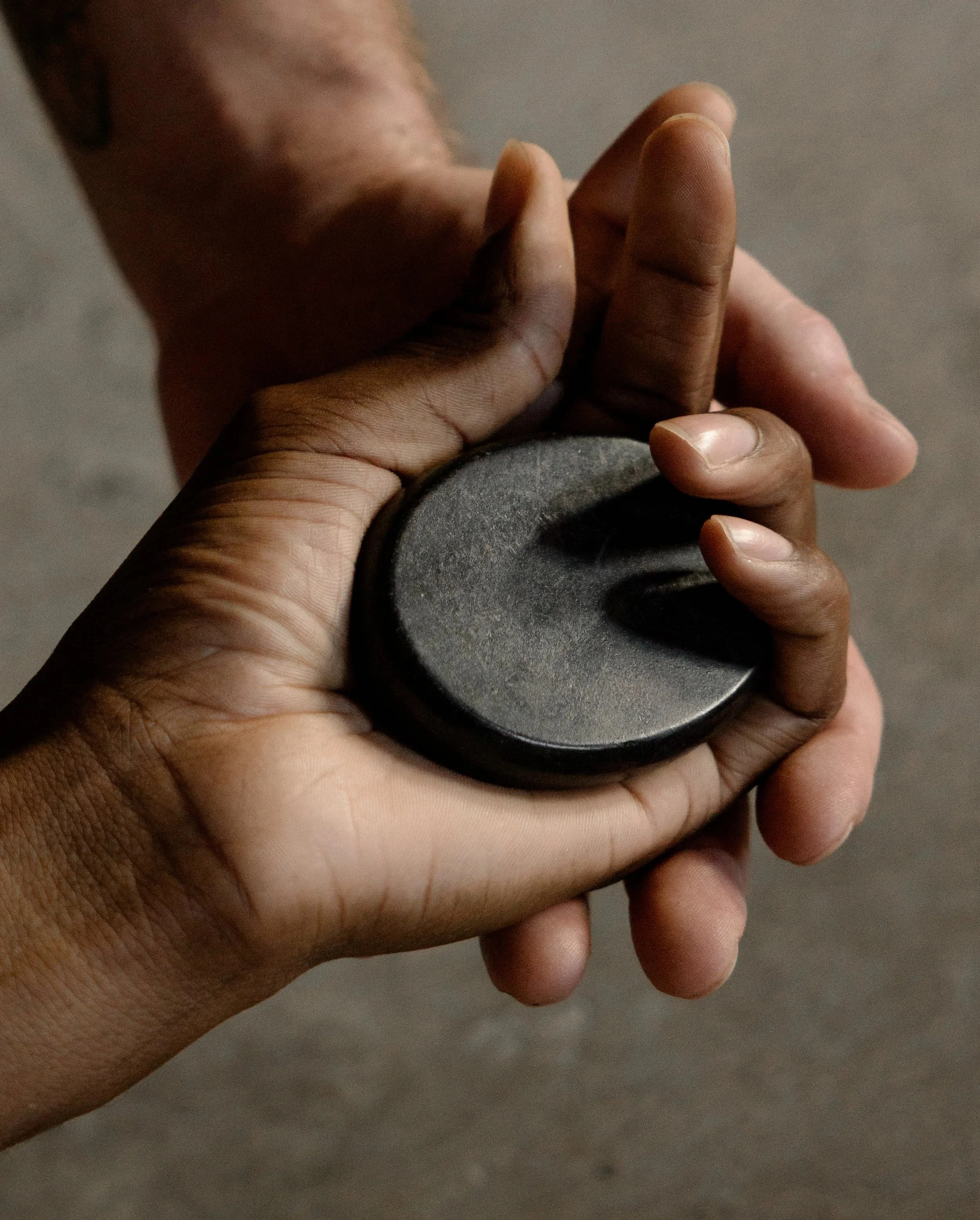
In ancient Greece, a Therápōn was a devoted companion — the one who stays, who tends, who walks with you. It is the root of the word therapy. Before therapy meant treatment by an expert, it meant the companionship of someone devoted to you.
The Greeks traced the healing arts to Chiron, the centaur who taught Asclepius himself. Chiron carried an incurable wound of his own, and it was this that made him the greatest of teachers: he understood healing from the inside. Patroclus, the original therapon to Achilles, healed the wounded with medicine that came down from Chiron. The teacher’s knowledge, in the companion’s hands.
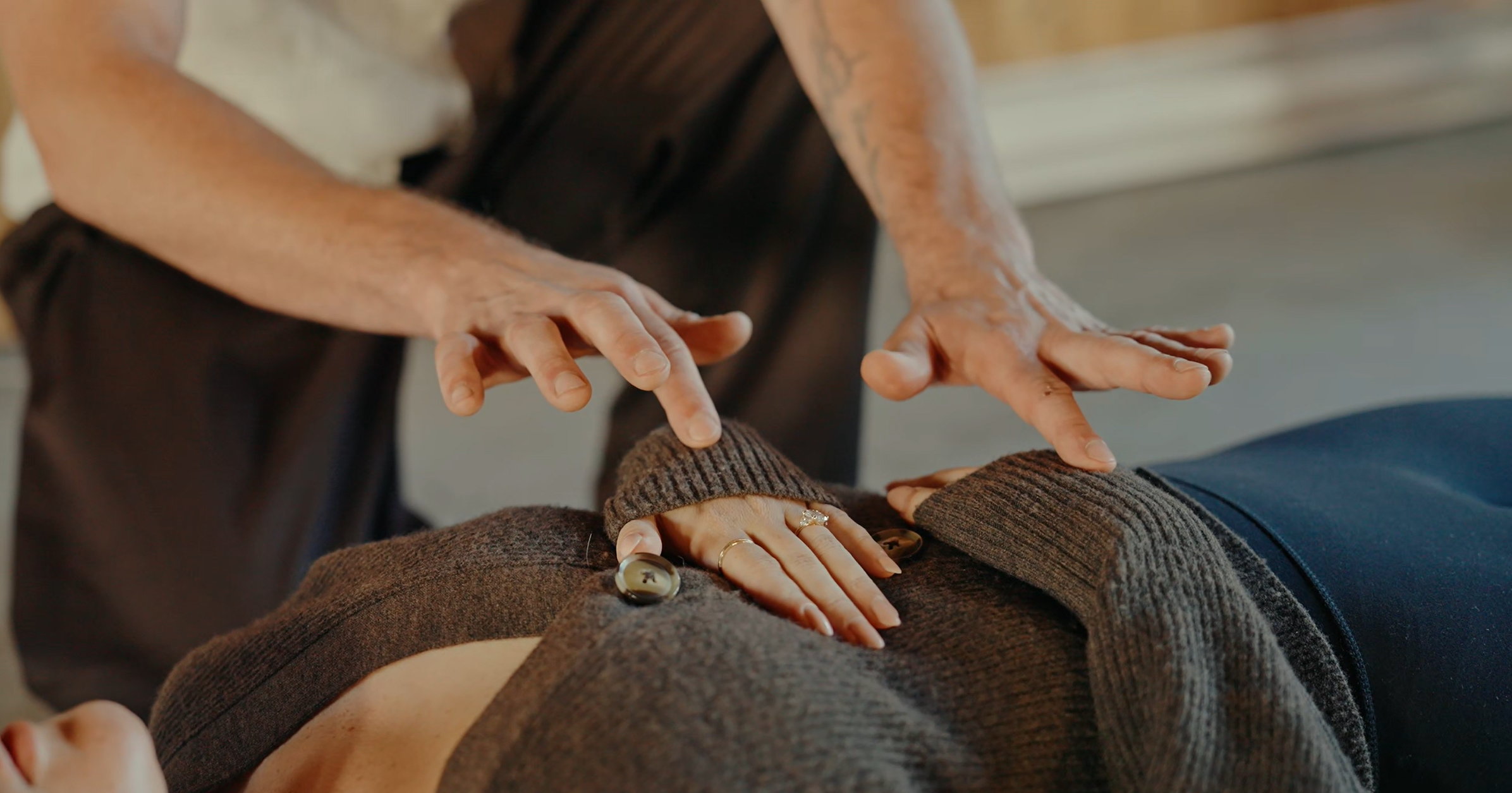
At Kallēnē, our Therapons lead every Recovery Arc™. They hold the structure, read the room, and teach as they guide, so you leave knowing more about your own body than when you arrived.
Three convictions behind every session
WHAT WE HOLD TO
Healing at the Asclepeia was ceremonial: shared meals, music, gathering, rest — a rhythm of practices that made the sanctuary a culture, not a facility. Greek Ritual carries that culture forward. It is how Kallēnē feels Greek without becoming themed: rooted in real tradition, expressed through real food, objects, and gathering — never decoration.
GREEK RITUAL
HEALING ENVIRONMENT
The Greeks chose their sites deliberately — springs, groves, light, the sea — because they understood that where you heal is part of how you heal. Modern research confirms them: since RS Ulrich’s 1984 study showed patients recover faster with a view of trees, healing design has become its own scientific field. Kallēnē designs space as an active instrument of recovery, not a backdrop for it.
The wellness industry hands people tools and leaves them to self-prescribe. Kallēnē’s conviction is that recovery works the way the ancients practiced katharsis — as a guided passage with structure, sequence, and progression, led by someone who knows the way. Tools are available anywhere. The Arc is not.
GUIDED RECOVERY
HOW WE WORK WITH EVIDENCE
Research-informed, and clear about what is known
Every element of a Recovery Arc™ has a reason behind it, drawn from published research where it exists and refined through practice where it is still emerging. Some of what we use is well studied, some is newer, and we try to be plain about which is which.
WHERE TO FIND US
Kallēnē in New York
Kallēnē sessions are currently held in partner spaces across the city, from design galleries to flagship showrooms, each one chosen for its light, material, and quiet. Past hosts include Bang & Olufsen SoHo and K’ab Juun.
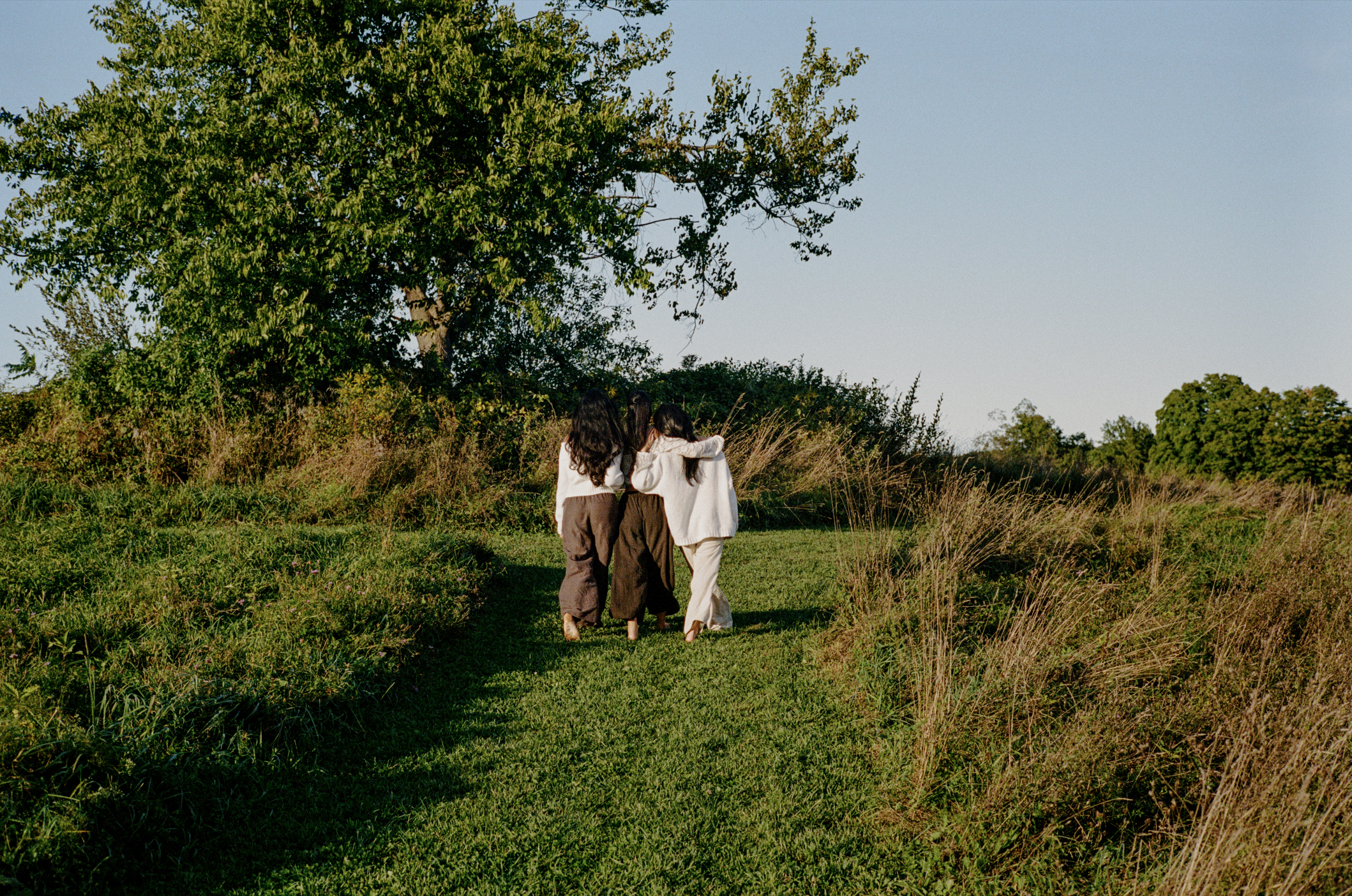

The Asclepeia answered something permanent in human life: the need for a place set apart, where healing is whole and guided. That need never left.
At Kallēnē, that place returns.